What is ecklonia cava?
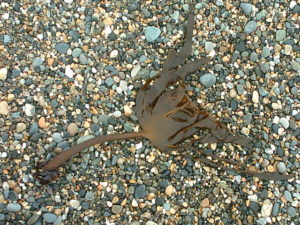 Ecklonia cava is a genus of kelp, a type of edible marine brown algae and belongs to the family Lessoniaceae. Ecklonia cava is found in the ocean off of China, Japan and Korea and has been used in traditional medicine for many years.
Ecklonia cava extract contains a variety of interesting ingredients including the polyphenols Dieckol, Eckol and Phlorofucofuroeckol A as well as Phloroglucinol. Their polyphenolic structure gives these compounds biological activities that are not found in any known land-based plants.
Dieckol is a phlorotannin present in ecklonia cava that shows antithrombotic and profibrinolytic activities (1) In one study it has also been shown to have a significant effect on hair growth (2). It appears that dieckol might be the most important active molecule in ecklonia cava extract.
Eckol is another phlorotannin found in ecklonia cava which exhibits an anti-plasmin inhibitory effect suggesting that eckol may be useful in boosting the effect of thrombolytic therapy(3). Like Dieckol it also shows antithrombotic and profibrinolytic activities (1).
Phlorofucofuroeckol A is also a phlorotannin found in ecklonia cava and has been the focus of diabetes studies (4-6).
Finally Phloroglucinol is a secondary metabolite that occurs naturally in certain plant species It is also produced by organisms that are not plants such as brown algae or bacteria (7). Phloroglucinols have antioxidant properties.
A super antioxidant
Polyphenols and phlorotannins are both well known as families of natural antioxidants.
Polyphenols are made up of multiple interconnected phenol rings and the higher number of rings means the more electrons that can be absorbed from free radicals. While other known antioxidants might only have two to four rings each, the unique marine polyphenols in Ecklonia cava extract can have up to 13 rings each, this gives them greater antioxidant properties.
Phlorotannins are unique in that they are only found in brown algae and have been shown promote cardiovascular health improving blood pressure and cholesterol levels among other things.
Ecklonia cava health benefits
There have been a number of research studies on ecklonia cava extract and its potential for health. There are two studies that get a lot of attention due to the significant results they both obtained, both studies were conducted in Korea, so let’s take a look at them here.
The first study in 2012 demonstrated that ecklonia cava extract was able to significantly lower body fat and cholesterol (8). Over the course of 12 weeks a total of 97 overweight male and female adults were given ecklonia cava and their health was monitored. The group was divided into a control, low dosage and high dosage group and after 12 weeks the researchers concluded. Both LD [low dosage] and HD [high dosage] groups showed significant decreases in BMI, body fat ratio, waist circumference, waist/hip ratio, total cholesterol, low-density lipoprotein (LDL) cholesterol, total cholesterol/high-density lipoprotein (HDL) cholesterol and atherogenic index (AI) after 12 weeks, as compared with the placebo group.
The research demonstrated that ecklonia cava extract was able to significantly improve the overall health or participants in both the low and high dosage groups. In particular in terms of lowering body fat, total level of cholesterol and especially bad LDL cholesterol.
A second similar study also took place in 2012 was published in the journal of medicinal food and again took place over a period of 12 weeks (9). A total of 46 patients enrolled in the study and were given 400 mg of ecklonia cava extract daily for a period of 12 weeks. The results of the study were very interesting indeed.
Hip circumference (100±7 cm vs. 98±7 cm, P<.01), total cholesterol (244±25 mg/dL vs. 225±37 mg/dL, P<.01), LDL-C (161±24 mg/dL vs. 146±34 mg/dL, P<.01), and C-reactive protein (2.51±3.55 mg/L vs. 1.37±1.32 mg/L, P<.05) were significantly decreased without significant adverse effect.
After the study period, the individuals who had taken ecklonia cava extract were shown to have significantly better cholesterol levels than the placebo group as well as a reduction of C-reactive protein, all indicative of better cardiovascular health. They also observed some reduction of hip circumference as well which suggests there was some improvement of excess body fat. This could mean that Ecklonia cava extract may be of interest as a potential weight control supplement. They concluded that they observed no unwanted side effects during the study suggesting that ecklonia cava was “effective and safe without significant adverse events or abnormal laboratory findings”.
How to take ecklonia cava
The use of ecklonia cava extract as a complement to food should not cause any health related side effects if the prescribed doses and treatment instructions are strictly observed. Studies have shown that ecklonia cava needs only a low dosage in order to work effectively and has noticeable benefits on blood pressure and blood glucose in dosages as low as 100mg.
Participants in the studies listed mentioned above ingested 400 mg of ecklonia cava once a day and saw significant results. Modern ecklonia cava supplement pills generally have a dose of around 400mg making them ideally suited to potentially benefit from the health benefits shown in those studies. It is recommended that extract of ecklonia cava be taken at mealtime, but are not intended to replace a healthy and balanced diet.
As with all supplements, certain individuals, especially young children, pregnant and breastfeeding women and patients using medication are advised to consult a licensed physician prior to taking extract of ecklonia cava. Should you experience symptoms of weakness, abdominal pain, dizziness, skin irritation or other side effects while taking extract of ecklonia cava, stop administering all nutritional supplements and consult your physician.
Purchasing ecklonia cava extract with a purity rating of more than 90% is the best way to maximize the health benefits of ecklonia cava extract while removing undesirable side effects. High quality nutritional supplements are subjected to laboratory analysis and strict quality control standards and there is no substitute for quality when it comes to purchasing dietary supplements. It is recommended that you always purchase your supplements from a highly rated vendor with a commitment to providing the best quality products as well as one who discloses their extraction methodology in full.
References
(1) Kim, T. H., Ku, S. K., & Bae, J. S. (2012). Antithrombotic and profibrinolytic activities of eckol and dieckol. Journal of cellular biochemistry, 113(9), 2877-2883.
(2) Kang, J. I., Kim, S. C., Kim, M. K., Boo, H. J., Jeon, Y. J., Koh, Y. S., … & Kang, H. K. (2012). Effect of Dieckol, a Component of Ecklonia cava, on the Promotion of Hair Growth. International journal of molecular sciences, 13(5), 6407-6423.
(3) Nakayama, Y., Takahashi, M., Fukuyama, Y., & Kinzyo, Z. (1989). An anti-plasmin inhibitor, eckol, isolated from the brown alga Ecklonia kurome OKAMURA. Agricultural and Biological Chemistry, 53(11), 3025-3030.
(4) You, H. N., Lee, H. A., Park, M. H., Lee, J. H., & Han, J. S. (2015). Phlorofucofuroeckol A isolated from Ecklonia cava alleviates postprandial hyperglycemia in diabetic mice. European journal of pharmacology, 752, 92-96.
(5) Sharifuddin, Y., Chin, Y. X., Lim, P. E., & Phang, S. M. (2015). Potential bioactive compounds from seaweed for diabetes management. Marine drugs, 13(8), 5447-5491.
(6) Lee, S. H., & Jeon, Y. J. (2013). Anti-diabetic effects of brown algae derived phlorotannins, marine polyphenols through diverse mechanisms. Fitoterapia, 86, 129-136.
(7) Blackman, A. J., Rogers, G. I., & Volkman, J. K. (1988). Phloroglucinol derivatives from three Australian marine algae of the genus Zonaria. Journal of Natural Products, 51(1), 158-160.
(8) Shin, H. C., Kim, S. H., Park, Y., Lee, B. H., & Hwang, H. J. (2012). Effects of 12‐week Oral Supplementation of ecklonia cava Polyphenols on Anthropometric and Blood Lipid Parameters in Overweight Korean Individuals: A Double‐blind Randomized Clinical Trial. Phytotherapy research, 26(3), 363-368.
(9) Lee, D. H., Park, M. Y., Shim, B. J., Youn, H. J., Hwang, H. J., Shin, H. C., & Jeon, H. K. (2012). Effects of ecklonia cava polyphenol in individuals with hypercholesterolemia: a pilot study. Journal of medicinal food, 15(11), 1038-1044.